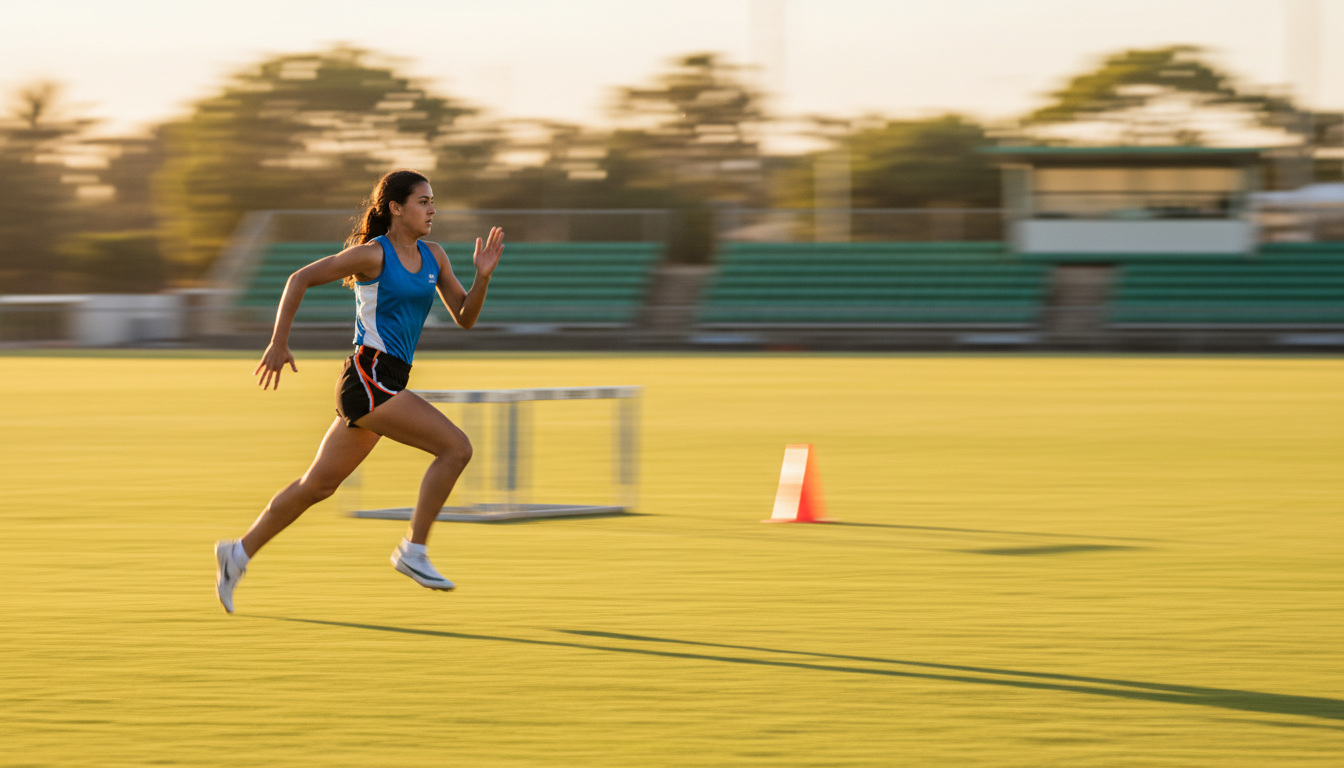
Effective speed and agility training for kids on the Gold Coast focuses on developing proper technique and neurological coordination through age-appropriate drills and intensive clinics. Professional coaching programs prioritize a balance of enjoyment and skill acquisition, ensuring young athletes build a strong foundation for acceleration and sports performance. Local options include specialized academies and personal training centers that tailor sessions to the unique physical maturation of each child.
If your child is being left behind on the field, struggling to change direction, or simply not moving with the confidence you know they're capable of, you're not alone. Many Gold Coast parents watch their kids work hard in sport but miss the foundational movement skills that actually drive performance. Speed and agility aren't just natural gifts reserved for elite athletes; they're trainable qualities that respond remarkably well to the right coaching at the right age. In this guide, you'll learn when kids are ready to start structured speed training, what a well-designed session actually involves, how these skills transfer across different sports, and what separates a quality program from one that simply runs children through tired drills.
TL;DR: The Quick Answer for Busy Gold Coast Parents
Yes, structured speed and agility training is genuinely beneficial for kids, and the Gold Coast is a great place to access it. Most children are ready to begin foundational movement work from around age 6, with more structured speed and agility drills becoming highly effective from 8 years onwards. Far from being reserved for elite teenagers, this type of training builds the movement skills that help young athletes run, change direction, and compete with more confidence across virtually every junior sport. In this article, you will find practical guidance on when to start, what age-appropriate sessions actually look like, and what separates a quality program from one that just runs kids in circles. If you are a Gold Coast parent trying to make sense of the options available, this is the right place to start.
Why Speed and Agility Training Is About More Than Just Going Faster
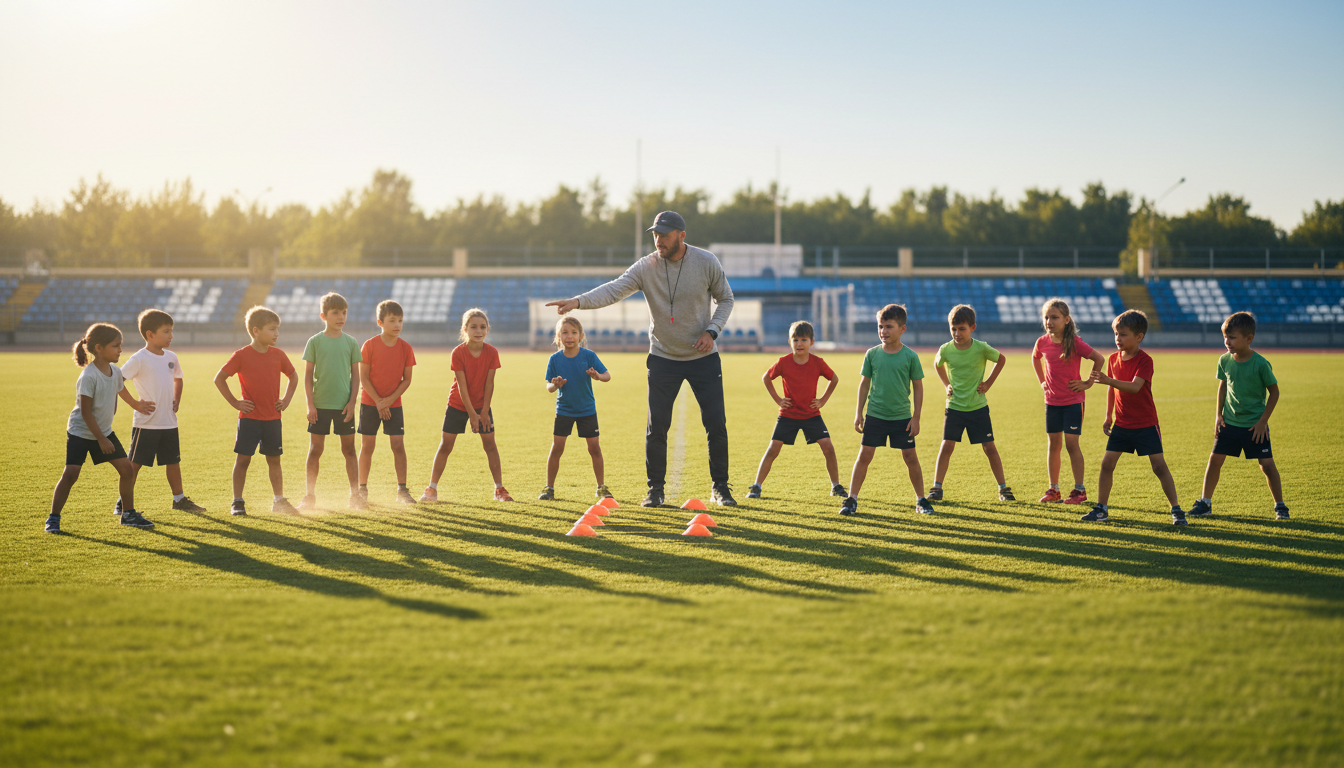
Most parents assume speed and agility training is reserved for elite teenagers or kids already earmarked for representative squads. That assumption means a lot of young athletes miss out during the years that matter most.
At Athletic Foundations, we approach speed and agility training as movement literacy, the ability to read your body, control it, and use it well. That is a skill set every junior athlete needs, regardless of their level or the sport they play. The ability to change direction quickly, react to a teammate or opponent, and move with body awareness underpins almost every junior sport played on the Gold Coast. From the lateral cuts in a touch footy game at Broadwater to the marking contests in AFL, from a netball player creating space on a suburban court to a soccer midfielder pressing under pressure, these sports all demand the same fundamental physical intelligence.
Developmental research is clear on one point: late childhood and early adolescence represent sensitive periods for neurological development, when the brain is primed to acquire and lock in complex movement patterns. Skills built during this window tend to stick in a way that adult learning simply cannot replicate. This is not about pushing kids to perform. It is about giving them a physical toolkit early, so they move with more confidence, stay in sport longer, and build an athletic foundation that carries them well beyond their junior years.
At What Age Should Kids Start Speed and Agility Training?
So when exactly should kids start? The honest answer is that it depends on what type of training you mean.
From around ages 5 to 7, the priority is building movement foundations through play-based activities: running freely, jumping, balancing, changing direction in games, learning what their body can do. This does not need to look like structured training. It just needs to involve varied, active movement rather than sitting on the sidelines or repeating the same skill over and over in a single sport.
From around 8 to 10 years old, most kids have developed enough body awareness to begin learning proper technique. This is when structured speed and agility training starts to pay real dividends. The neurological system is primed during this window, and movement patterns introduced here tend to embed deeply. Drills that teach acceleration mechanics, deceleration control, and directional change become genuinely teachable, not just frustrating.
One thing developmental research makes consistently clear: early specialisation in a single sport often produces gaps in overall athleticism. Kids who sample a range of movement challenges build a broader physical foundation that actually serves them better in their chosen sport long-term.
At Athletic Foundations, our junior athlete programs at Athletic Foundations are built around this understanding. We work with kids across different ages and sports, and every program is designed to meet athletes where they are, not where a generic template assumes they should be.
If your child is 6 or 16, there is meaningful progress available to them. The foundations are always worth building.
What a Quality Speed and Agility Session Actually Looks Like
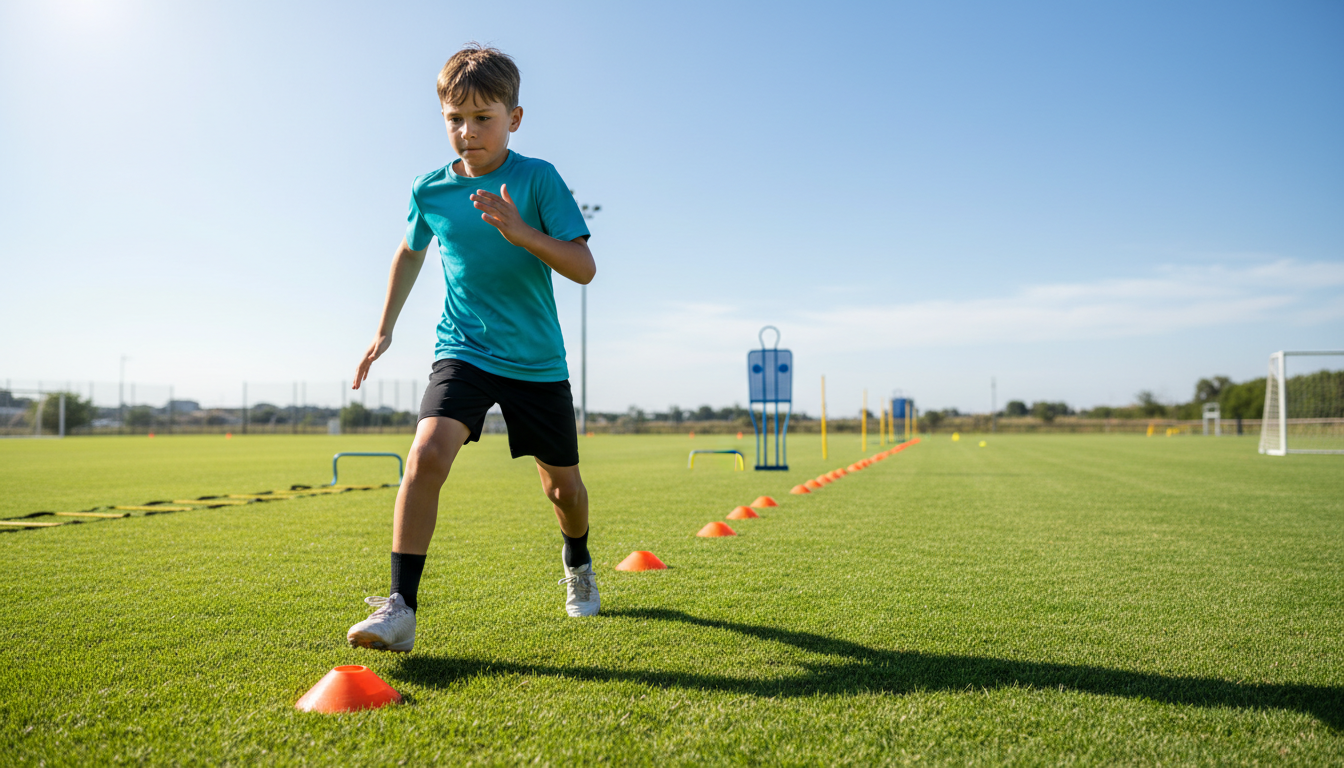
Knowing that speed and agility training is worthwhile is one thing. Understanding what your child is actually walking into is another, and it is a question most programs never bother to answer.
A well-structured junior session has four clear phases. It opens with a dynamic warm-up, not static stretching, but movement-based preparation: high knees, butt kicks, and A-skips that actively groove running mechanics before a single drill begins. This is not filler. These patterns teach kids how their body should move at speed, and repeating them at the start of every session builds coordination that compounds over time.
From there, the session moves into technique-focused work. This might include acceleration from different starting positions (standing, seated, lying down), deceleration control so kids learn to absorb force safely when stopping, and lateral shuffle patterns that build the kind of side-to-side quickness that shows up constantly in junior sport. Parents may have heard of the 5-10-5 shuttle drill, a benchmark used to measure lateral quickness and change-of-direction ability. Drills like this give coaches and athletes a concrete reference point for progress.
The third phase is where the skills get tested under light pressure: small-sided games and competitive activities that force kids to apply what they have just practised. Game-based learning is not a reward for doing drills. It is an essential transfer mechanism. Skills rehearsed in isolation rarely stick until they are used in a decision-making context.
The session closes with a cool-down and a short reflection, giving kids a chance to name what they worked on and why it matters.
Contrast that with a low-quality program: kids running lines repeatedly, no coaching cues, no feedback, no understanding of what they are training or improving. Movement without instruction is just exercise. A quality session builds athletes.
How Speed and Agility Training Helps Kids in Different Sports
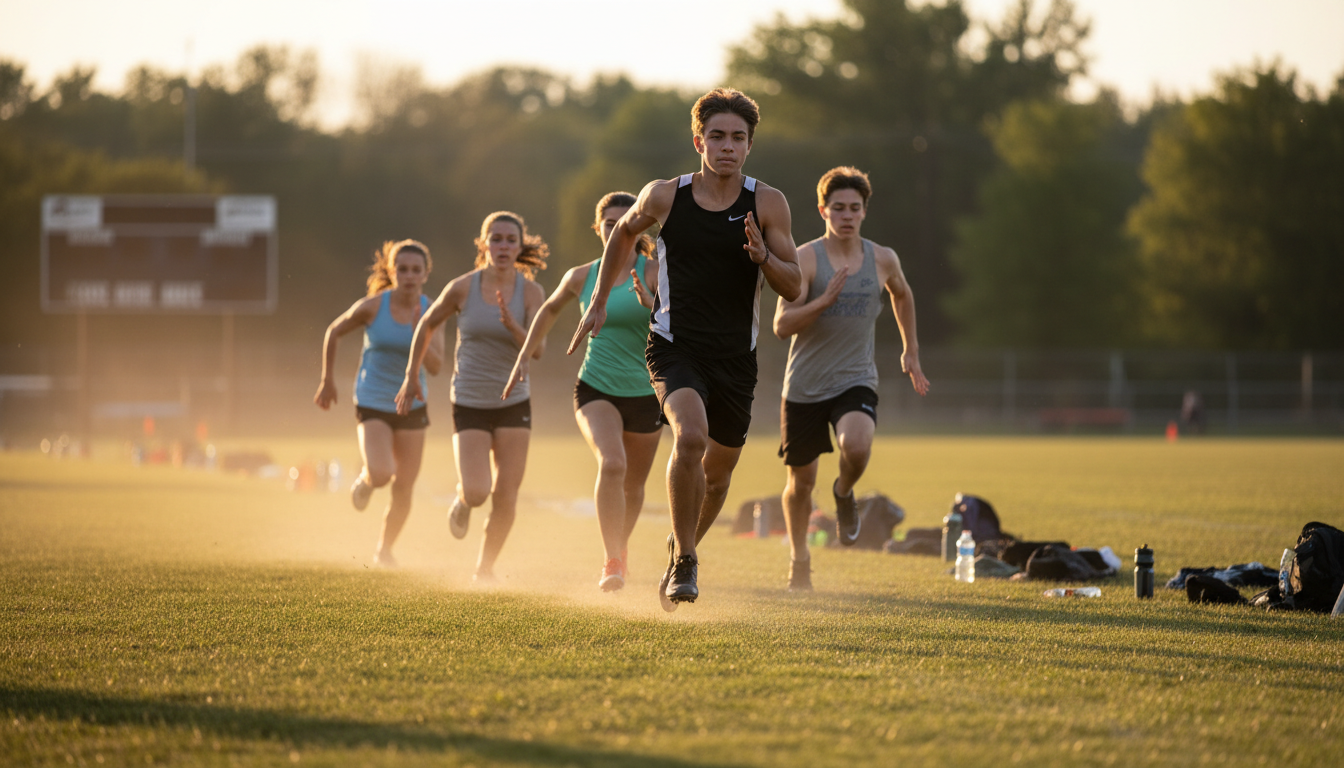
The movement skills covered in a quality session do not belong to any single sport. They are shared currency across virtually every game junior athletes on the Gold Coast play.
First-step quickness, the ability to accelerate explosively from a stationary or slow-moving position, is the same skill whether a soccer player is pressing a defender in a school carnival at Cbus Super Stadium precinct or a rugby league player is reading the play and firing off the line. Developing that initial burst changes what is possible in the first two seconds of any contest, and those two seconds happen constantly.
Lateral agility works the same way. A netball player who can sharply change direction creates separation from a defender in a way that no amount of court time alone teaches. A touch footy player reading space and evading with a subtle hip shift is using identical mechanics. The movement pattern is the same; the jersey is different.
Deceleration is perhaps the most underappreciated skill in junior sport. In AFL, marking contests require athletes to sprint, leap, and land under control, often while being contested. Developing the body control to absorb force correctly is not just a performance advantage; it is a meaningful injury reduction strategy during a period when young bodies are still developing.
At Athletic Foundations, our training is deliberately multi-sport in approach. Kids are not streamed into sport-specific silos. They build a broad movement vocabulary that transfers wherever they compete, without being pigeon-holed at an age when variety is exactly what their development needs.
What to Look for When Choosing a Kids Speed Training Program on the Gold Coast
Knowing that speed and agility training works is useful. Knowing how to pick a quality program is what actually protects your investment and, more importantly, your child's experience.
The Gold Coast has a growing range of options, from large multi-sport clinics to smaller specialist programs. Not all of them are built with junior athletes in mind, and that distinction matters more than most parents realise. Here are five things worth evaluating before you commit.
Coach qualifications and junior-specific experience. An adult fitness background is not the same as expertise in youth movement development. Look for coaches who understand the neurological and physical differences in young athletes, not just trainers who have scaled down an adult program.
Age-appropriate programming. Quality programs are designed for the developmental stage of the athlete, not simply shortened versions of what a senior squad might run. The drills, volumes, and expectations should reflect where a child actually is, not where an adult template assumes they should be.
Small group sizes. Individual coaching cues are what separate skill development from supervised exercise. If a coach cannot watch your child move and offer specific feedback, technique does not improve.
Movement quality over metrics. Times and scores have their place, but a program that prioritises how a child moves over how fast they test will produce better long-term athletes. Technique built early becomes instinct later.
A genuinely encouraging environment. Kids improve when they feel safe to try things imperfectly. The culture of a session matters as much as the content.
At Athletic Foundations, these criteria shape how every session is structured and coached. The Gold Coast's reliable outdoor climate also means training is rarely disrupted, making consistent skill development across the year genuinely achievable for junior athletes here.
Simple Speed and Agility Drills Kids Can Practice at Home
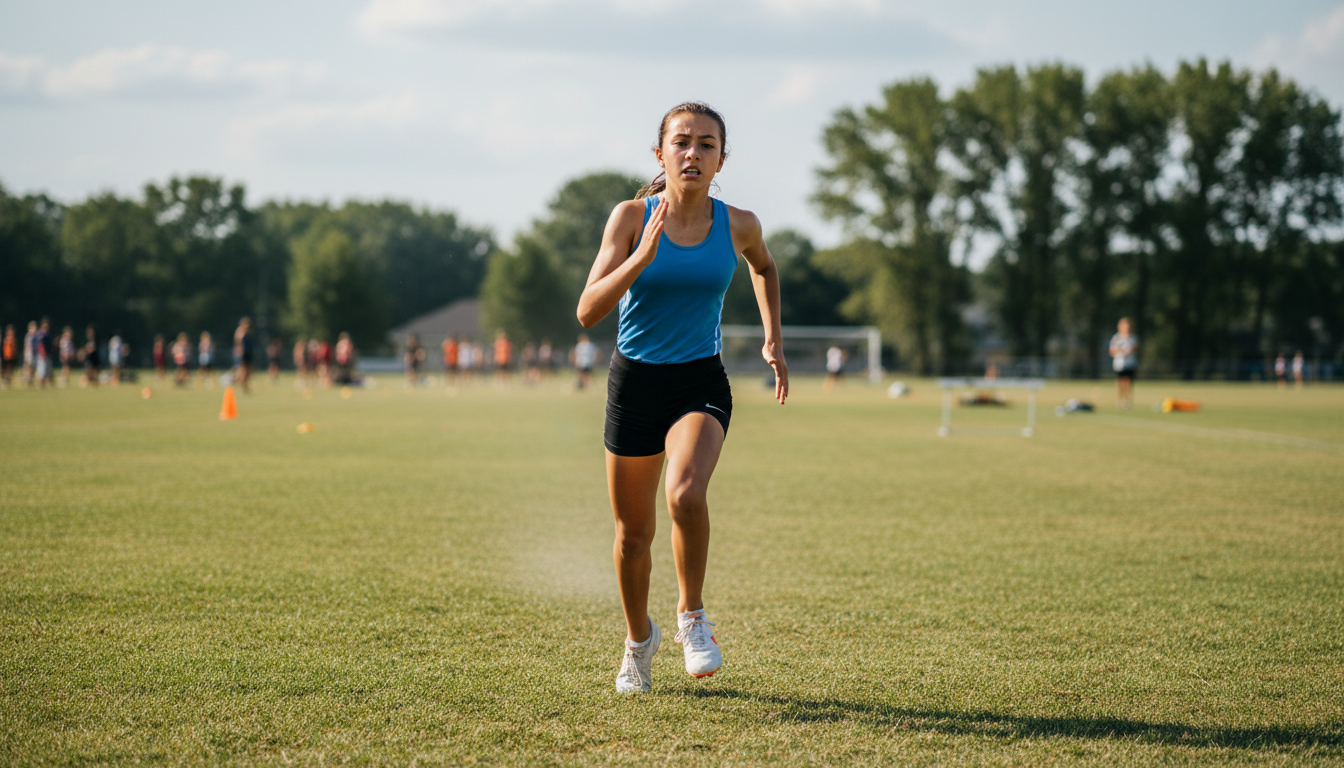
A good program builds skills inside sessions. What happens between sessions is where those skills start to become instinct. The Gold Coast's year-round outdoor climate makes after-school practice genuinely easy, and none of the following drills require any specialised equipment.
Marker weave. Set up 5 to 6 drink bottles or shoes in a line, roughly 1 metre apart. Weave through at increasing speed, focusing on low hips and sharp foot placement rather than just getting through quickly.
Clap reaction drill. Stand 5 metres apart. One person claps; the other reacts immediately by sprinting to a nominated spot. Simple, effective, and genuinely fun for kids.
Broad jumps. From a standing position, jump forward as far as possible and stick the landing with control. Three to five reps develops explosive power and, critically, landing mechanics.
10-metre shuttles. Mark two points 10 metres apart and sprint back and forth, focusing on sharp stops and clean direction changes rather than top speed.
Skipping. Underrated and equipment-free. Five minutes of skipping builds calf strength, timing, and the kind of rhythmic coordination that directly supports running mechanics.
These drills complement structured coaching rather than replace it. The technical feedback a coach provides is what turns backyard repetition into genuine skill development.
Start Building Your Child's Athletic Foundation Today
The backyard drills above are a genuine starting point, but the movement years do not wait. Developmental research is consistent: the window when neurological adaptation is fastest is right now, during childhood and early adolescence, and the Gold Coast's coaching environment and year-round training climate make it one of the best places in the country to act on that.
If you have been weighing up whether speed and agility training for kids on the Gold Coast is the right move for your child, the honest answer is that there is rarely a wrong time to build better movement habits. The skills developed through structured coaching, cleaner acceleration, sharper directional change, confident body control, carry across every sport your child plays and long beyond their junior years.
Explore the junior athlete programs at Athletic Foundations to see what age-appropriate training looks like in practice, or get in touch with our coaching team if you have questions specific to your child's age, sport, or experience level. You can also find answers to common parent questions through our frequently asked questions about our training. We are here to help you make a confident, informed decision, not a pressured one.
Developing speed and agility during childhood provides a vital foundation for both athletic success and long-term physical health. By focusing on proper movement patterns today, you help your child build the confidence needed to excel in any sport they choose. If you are looking for expert support to ensure they are training safely and effectively, exploring our Programs is a natural next step. Our team is dedicated to helping young athletes on the Gold Coast reach their personal best through structured, age-appropriate guidance.